Tampilkan postingan dengan label skin care. Tampilkan semua postingan

Senin, 06 Juli 2015

2015 @cosme Best New Makeup Award (Skin Care)


Let's talk about skin care first.

on top of the @cosme annual ranking (which i've wrote about in a separate entry), @cosme also released a biannual best new makeup awards. it is given to new products that have been released in the past 6+ months. i think they should just name it "best new comer award" to avoid any confusion with their annual ranking (which surveys all products regardless of release dates). in other words, only good products that are newly released can make it into this list.


there several categories, i'll be focusing on the skin care ranking in this entry.

@cosme 2015 best new makeup toner
BEST TONER

first place
LANCOME | blanc expert essence lotion

a toner that acts like a serum, it brightens the skin and is extremely moisturizing.

second place
ATTENIR | dress lift lotion

third place
FRESHEL | lotion (moist) N

@cosme 2015 best new makeup serum ranking
BEST SERUM/BOOSTER

first place
FRESHEL | skin freshener

effective mist that draws moisture from the surrounding towards your skin, perfect for combating dryness during day time.

second place
BENEFIQUE | white retinol essence

third place
CHANEL | hydra beauty micro serum

@cosme 2015 best new makeup lotion ranking
BEST LOTION

first place
MINON | aminomoist moisture milk

highly moisturizing without the thick or sticky feeling.

second place
ATTENIR | dress lift day emulsion

third place
COSME DECORTE | cellgenie emulsion white ER (more moist type)

@cosme 2015 best new makeup sunscreen ranking
BEST SUNSCREEN

first place
ALLIE | extra UV gel (mineral moist neo)

although it has a very high SPF, the gel is extremely lightweight and is very waterproof.

second place
BIORE | aqua rich watery essence

third place
JILL STUART | relax aqua chiffon protector N

i didn't write about face wash, cream, and lip care as most of the products look really foreign to me. you can check out the ranking by clicking on the respective words!

i really want to get my hands on the freshel skin freshener mist. they're just an all rounder - hydrating, preps your skin for makeup, and sets your makeup. i hope the mist is fine enough, that will be the most important factor in determining how good it really is.

Jumat, 15 Mei 2015

INNISFREE skin care lines, explained


Have you ever been overwhelmed by variety?

korean brands are notorious for their wide range of skin care products, even for someone like me who've been exposed to so many products, i still feel overwhelmed when i enter their shop to be surrounded by hundreds of DIFFERENT products.

it'd be fine if i knew exactly what each line did, but i don't.

sometimes it's a bad thing to have so many different lines, because people end up in the paradox of choice because they exhausted their decision making ability when fazed with too many products.

i was looking through innisfree's new online store and was lost for a while. it's nice of them to group products according to the concerns you have, but they also used their own terms which may confuse those who're not familiar with skin care. i hate to say this, but there are "industrial standards" when it comes to naming items because consumers are used to certain words.

here's a cheat sheet if you are confused like me. i'm merely translating their series into terms that are more familiar to me. i've looked through their ingredients and main claims to group them accordingly.

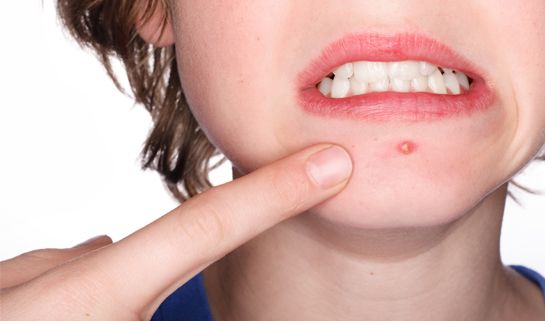
1. TROUBLE CARE is known as PRODUCTS FOR OILY SKIN (acne and pimples prone)

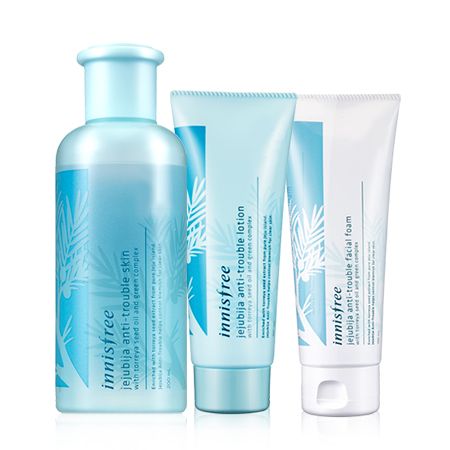
JEJU BIJA ANTI-TROUBLE SERIES

JEJU BIJA ANTI-TROUBLE SERIES 

i don't know what torreya seed does, it's said to have good healing powers (and peeling effect?). i do, however, know that this product contains salicylic acid, effective in melting and clearing excess sebum.

this series comes in cleansing gel, cleansing foam, toner, lotion, and spot essence.


2. PORE CARE is also known as PORE REFINING PRODUCTS

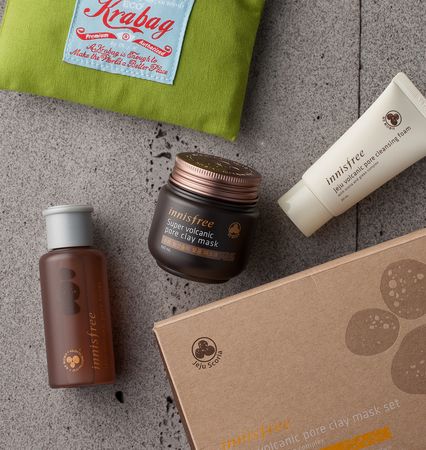
innisfree SUPER VOLCANIC SERIES
SUPER VOLCANIC SERIES

CLEANS the pores by absorbing sebum and contracting pores temporarily. also contains AHA (lactic acid) to help with exfoliation.

IF PORES DUE TO DEHYDRATION, use moisturizing products below in section 3 to plump up skin to reduce pore size.

IF PORES DUE TO AGING, use anti aging products below in section 4 to improve elasticity of skin to shrink pore size.

3. NUTRI-MOISTURIZING and MOISTURIZING are moisturizers for everyone. 

the "nutri" meaning nutrients within the cream, it's not new for companies to infuse food extracts into skin care, assuming dietary nutrients can be utilized by our skin.

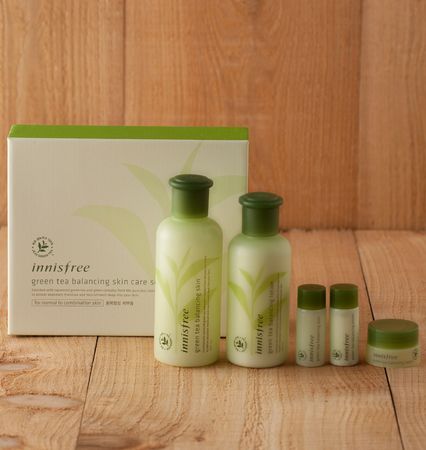
innisfree GREEN TEA SERIES
GREEN TEA SERIES

contains "fresh green tea water" for moisturizing.

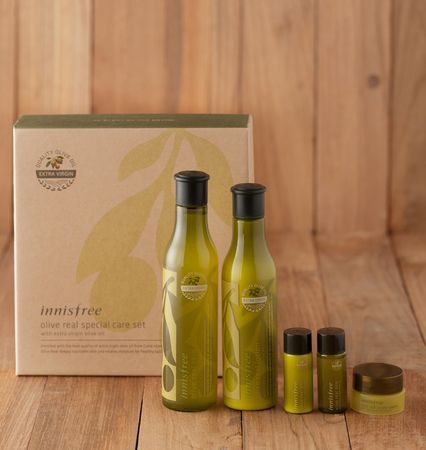
innisfree OLIVE REAL SKIN SERIES
OLIVE REAL SKIN SERIES

contains extra virgin olive oil for hydration and restoration of moisture barrier.

4. FIRMING and WRINKLE CARE is also known as ANTI-AGING TREATMENTS

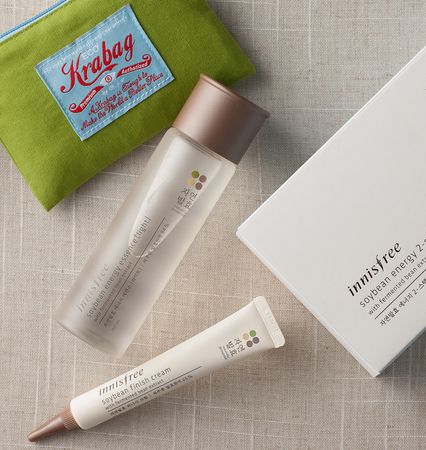
innisfree SOYBEAN SERIES
SOYBEAN SERIES

contains fermented soybean to stimulate collagen production in the skin.

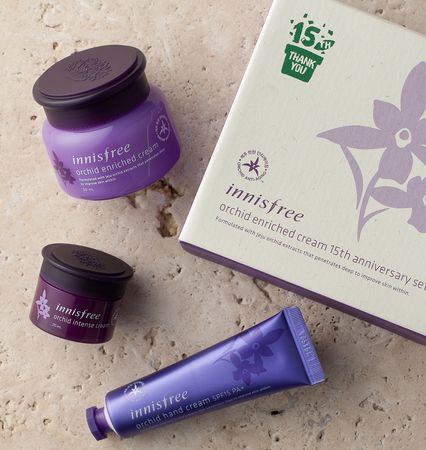
innisfree ORCHID SERIES
ORCHID SERIES

contains orchid extract, a powerful antioxidant. cream is extra nourishing to plump up mature skin. can also be grouped under the moisturizing group.

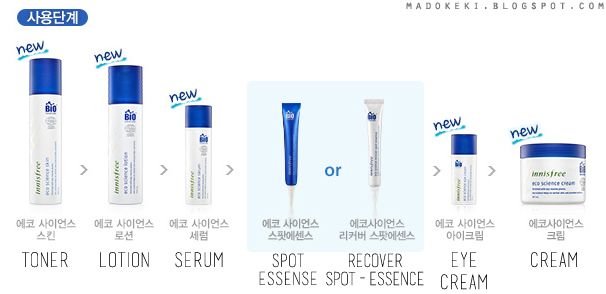
innisfree SEAWEED SERIES (ECO SCIENCE SERIES)
SEAWEED SERIES (ECO SCIENCE SERIES)

formulated with antioxidants to repair skin barrier and improve elasticity.

5. WHITENING is whitening, nothing fancy!

innisfree TANGERINE PEEL SERIES (ECO SCIENCE WHITE C SERIES)
TANGERINE PEEL SERIES (ECO SCIENCE WHITE C SERIES)

formulated with eco-friendly organic jeju tangerine peel extract and green tea, giving you a double-up effect in brightening your skin.

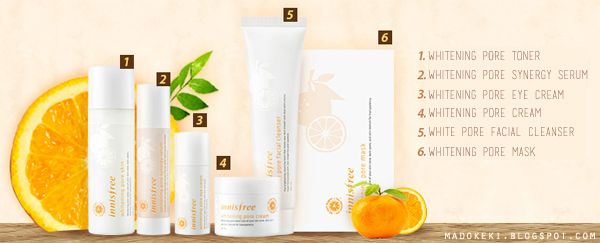
innisfree WHITENING PORE SERIES
WHITENING PORE SERIES

containing citrus flavonoids, this series will brighten dull skin and suppress melanin production.

to be completely honest with you all, i was overwhelmed by all the products once again just now. i will try to describe how it feels like - frustration and confusion. i'm confused because there're multiple lines that seem to serve similar functions, frustrated because i need to know my stuff before i can actually write about it! after 2 long hours cross referencing the different websites, i think i'm pretty close to categorizing the series above. 

to my horror, there are a few more new product lines i saw on the korean official website, but my korean isn't good enough for me to understand what those products serve to do, so i left them out of this entry. i suddenly have a lot of admiration for innisfree sales associates as they have to know ALL the products inside out. that's a lot to stomach!

if i were to start a skin care line, i'd make it super simple and easy with just 4 product lines - hydrating, anti aging, and whitening. pore refining, acne/pimples and oily skin can be grouped together as the 4th line. and each line will have only one set of products! 

sometimes, less is more.

Senin, 11 Mei 2015

3 Myths About Facial Oils


Let's bust some myths.

while researching on facial oils, i came across several interesting articles relating to the topic. i resonate with some of the points being raised, but also skeptical regarding other points.

from "beauty trending now: everything you need to know about facial oils" published in huffington post:

source: droz.com
Myth: Oils cause breakouts

Fear of oils is widespread. They are deemed to make us fat and spotty. People think that facial oils or any potion with oil in it will make them break out. Stripping oils away is thought to prevent clogged pores, breakouts, and shiny zones.

Truth: Healthy fats and oils prevent skin damage and breakouts

Nuts, seeds, and olives provide oils that can actually help us to lose weight and keep it off -- these good oils are called Omegas (or fatty acids). The same apparent paradox goes for our skin. Skin needs its natural oils to keep lubricated and protected). If we strip the oil away, the skin will produce more oil to compensate. The resulting imbalances cause breakouts. Encouraging a healthy oil environment can help to repair damage and give your skin the moisturizing and hydrating support it needs.
i think it's very common for people to relate oils to breakouts because an excessive sebum production has been correlated with tendency to develop acne, but it's not as simple as that. breakouts can be an immune response to an allergen in the product you used. unless you're allergic to that oil, it will not cause a breakout. oils will strengthen the skin barrier by improving the overall condition of your skin (some oils even have anti inflammatory effects!), theoretically speaking it will prevent breakouts.

do oils clog pores? it takes two hands to clap - oils and dead skin cells (or pollutants). with proper exfoliation and cleansing, oils will not clog pores.

Myth: Oil is oily

Fear of shine is one of the most common concerns with facial oils. The assumption is that only dry skins can tolerate oils and that anyone with combination or oily skin will look greasy enough to butter toast.

Truth: Facial oil is not oily

A good facial oil should sink right into the skin and not leave the surface looking for feeling oily. The secret is in the base oils. Avoid mineral oils at all costs. Look out for base oils (eg the first one to three that appear on the ingredients list) such as jojoba, meadowfoam, argan, apricot, or almond. Far from greasy, a good oil complex is the surest way to get dewy skin.
only certain oils are oily, typically it's those with saturated fatty acids. there're a whole range of oils that're high in unsaturated fatty acids such as rosehip seed oil, argan oil, and jojoba oil. some oils are known to sink into the skin so quickly, they're also called dry oils (even though the industry use dry oils to describe a blend that contains dimethicone). not only will they nourish your skin, you won't walk away with that shiny look you'd expect from oils.

Myth: Oils are not efficient anti-agers

Even if you accept oils can be nice and perhaps beneficial, it is tempting to see them as the poor relation to creams crammed with antioxidant extracts, powerful peptides and other anti-agers.

Truth: Facial oils are chemical free antioxidant powerhouses

Let's start with some fundamentals. The best thing about facial oils is that they are not water-based. Water-based formulations (which means most creams and serums) require synthetic preservatives, stabilizers, absorbency enhancers and things that make a cream a cream. Oils don't need any of these, so what you will get is pure unadulterated botanical oils to which additional actives can be added to provide a bounty of nutrients, fatty acids, antioxidants or free radical scavengers.
while there are antioxidants in oils, i think most of the anti-aging effect of oils come from its superior ability in locking in moisture in order to maintain the youthful plumped skin. i'm not sure if the amount of antioxidants are sufficient to make any difference to our skin, neither can i be sure whether our skin utilize nutrients the way we expect them to.

IN A NUTSHELL
one thing for sure, oils are not the enemy we should avoid. we may have been led to believe that oils are bad because excessive sebum production has always been linked with acne, but correlation doesn't mean causation. obviously, something is causing the overly oily skin. by removing all oils from your regime, it's mainly addressing the symptom without treating the cause. it's only going to get worse over time (based on personal experience).

a good way to start is to incorporate additional oils into your existing cream just to give yourself some time to adjust to the notion of using oils. once you're comfortable with it, you can experiment with facial oils on their own.

TL;DR
a few drops of oil in your existing cream may surprise you pleasantly, contrary to popular belief.

more on oils next time!

Senin, 04 Mei 2015

3 Step Skin Care for Normal/Combination Skin


Finally on to skin care for normal/combination skin!

i've had viewers ask me to help them with their skin care routine to combat normal/combination skin because their T zones are usually too oily for their liking. their common complaint is a greasy mess by noon even though they washed their face in the morning and using oil free products for hydration.

after making one simple change, they return to tell me their T zone became less oily! read on ti find out what it is exactly!

i've already written about the extremes: possible causes of dry skin, suggested skin care routine for dry skin, possible causes of oily skin, and suggested skin care routine for oily skin. normal/combination and dry/oily skin is a mixture of both, so the routine is actually a blend of the two, albeit confined to specific regions.

the simple outline of the steps are as follows:
PM routine:
1. wash your face with a cleanser
2. hydrate with light/nourishing lotion all over
3. target treatment (nourishing moisturizer on oily areas and/or dry areas)

AM routine:
1. wash face with water
2. hydrate with light lotion all over
3. oil control product (if you wear makeup) and/or moisturizer for dry areas

chances are, the combination of normal and slightly oilier T zone is natural. i've talked about this before in my previous entry where i briefly described the different skin types. do carry out the simple test outlined in that entry to determine your own skin type!

normal/combination skin is pretty much the optimal condition in my opinion, hence, i would actually try to maintain my skin at this stage as there's nothing that really needs to be corrected.

there's a little trick to tailor the skin care routine to your skin type - target treatment. it just doesn't make sense to use only one product for the entire face when there are clearly different properties on different parts of your face. even thought it translates to an additional step, but that's just a little price to pay to maintain good skin.

often, this means to spot treat oiliness or dryness. hydration is the general treatment that's suitable for the different kinds of skin, therefore it can be used over the entire face. however, oily and dry skin need a little something more since they deviate from normalcy.

WASHING YOUR FACE:
if you don't already know, i only wash my face with water in the morning, so the face wash step is only in my evening skin care routine. i feel that it's redundant to wash away my precious sebum that my skin has secreted overnight to protect my skin, also to keep it pliable and moisturized. my viewers also told me that after they made changes to their routine, they wake up to lesser oils - oils are still secreted, but not greasy like usual.

general treatment: i'd still choose the soap free gentle cleansers as opposed to harsher face wash because i wouldn't want to tilt the balance in my skin. using it all over your face is perfectly fine.

targeted treatment: if you have a slightly oilier T zone (or other areas which are oilier), follow up with a foaming face wash on your T zone to get rid of the extra grime (at least in the beginning before your skin adjust to the changes). you can let the foam stay on your face for a while so that it can remove more sebum.

MOISTURIZING:
general treatment: since hydration is well loved by skin all over, use a hydrating toner to return your skin to the normal pH before using any moisturizer you like.

if you're in a humid climate, a gel moisturizer should suffice. adjust your product to the environment accordingly. the gel/cream should be used all over your face.

targeted treatment for oily areas:
i suggest using two different products for day and night.

PM
after washing and moisturizing your face at night, follow up with a heavier cream on the T zone only IF you want to reduce oiliness in those area. as our skin will release more oils in an attempt to combat dehydration, we greatly reduce the chance of an overly oily T zone by locking in moisture with a cream that contains some oils.

if you're willing to try facial oils, that'd even be a better choice as they are easily absorbed into the face, returning your face to the optimum water and oil balance. opt for light natural oils like rosehip oil, grape seed oil, and argan oil. do experiment to find out which oil works best for you! in fact, you can use facial oils not just as a spot treatment, but also all over your face! your skin will love it and gladly drink it up. if you're still against facial oils, please allow me to elaborate on it in a separate entry. also, people usually suffer break outs not because of the oiliness. it is in fact an allergic reaction to certain ingredients.

AM
in the day time, you may want to use a oil control cream on the T zone for those of you who will wear makeup. although i'm pretty sure your face will be well conditioned if you followed my suggestion to use a heavier cream on our T zone at night, such that your T zone will stop producing so much oils over time!

targeted treatment for dry skin: 

nourishing cream for surface dryness.
ceramide creams for cellular insufficiency.
an addition of an occlusive such as vaseline or a salve made from natural oils and waxes to combat environmental dryness.

you can refer to the entry on dry skin for more details on the creams i suggest according to your needs.


IN A NUTSHELL
i suggest using an oilier product at night as the air is usually cleaner at home. you reduce the risk of clogging up your pores that way!

while this method worked for some of my viewers, it may not work for everyone because this treatment aims to solve the underlying problem of dehydrated skin. if your skin is oozing oil due to other reasons, this skincare routine may be insufficient to solve your problems.

to answer the question i've laid out at the beginning of this entry, the only change they made was to use a nourishing cream at night - one they've avoided for the longest of time because they're afraid it'll make them oilier.

if one step can make such a difference within days, i wonder what the entire skin care routine can do!

it's definitely worth a try if you've avoided oily creams for a while! do let me know if you've decided to try this out!

title photo credit: fine gardening

Kamis, 30 April 2015

4 Step Skin Care for Oily Skin


Just a suggestion you can try.

so you have diagnosed yourself with oily skin? perhaps you just want to reduce the amount of oils on your T zone area?

the number 1 cause of overly oily skin is dehydrated skin (unless you have a genetic defect/hormonal imbalance/other hidden reasons that causes you to produce more than usual), just that people with oily skin have a tendency to produce oils to combat that dryness instead of letting the skin crack up and bleed. as such, you may realize that a lot of the causes of overly oily skin mirror those of dry skin.

after you've identified possible areas you can improve internally, we can speed up the rebalancing process by using the right skin care products on the outside.

a simple night time skin care routine for you would look something like this. this is just a general template, please tweak it to your needs.

1. use a face wash to get rid of all the excess oils.

cleansing is very important if you've got oily skin. for any skin care product to do its job, it has to pass through the skin barrier. sebum is a very good skin protectant as it's water resistant, it keeps the moisture within our skin to prevent excessive water loss. the same barrier will also prevent things we apply on our skin from going in, especially if it's water based.

in the initial phase when your skin is too oily, you can use a cleanser that leave your face squeaky clean.

once your skin has balanced out, a gentle cleanser is preferred so as to not strip away too much oils (which will risk triggering your body to produce more if you don't moisturizer properly after that).

2. use a toner to return the skin to a slightly acidic pH

most cleansers are slightly alkaline - especially more so if you're using soap. healthy skin is naturally slightly acidic, therefore it's important to return the skin to a slightly acidic state after washing our face. not only does it condition our face, but it also reduce the chances of our skin producing more oils due to the pH change.

japanese toners (which they call lotions) are usually loaded with hydrating ingredients such as glycerin and hyaluronic acid, which is exactly what we want, contrary to popular belief. oily skin needs all the moisture it can get too!

3. apply a lotion that is easy to absorb for some hydration

this step will be redundant if the toner you use already contains hydrating ingredients. otherwise, a light lotion is a good option to hydrate and nourish your face.

4. follow up with a facial oil or nourishing cream

don't be afraid to experiment with facial oils. if you chose the right type, it'll sink in almost immediately thanks to their smaller molecular size, and the fat loving nature (lipophilicity) of our skin.

if you're less adventurous, pick a nourishing cream that contains a good blend of oil and water.

this step is VERY IMPORTANT because we MUST return some oils to our skin after ripping them off during the washing stage.

you must be wondering why are we returning oils after removing them? this because because by applying creams/facial oils, we help the skin return to its optimal water-oil balance. our skin NEEDS SOME OILS, the trick is HOW MUCH OIL. would you rather let your skin decide that you need an excessive amount of oils because you've stripped everything away, or would you want to trick your body into thinking that the skin has enough oils so that it will produce lesser oils in the long run?

our body is one amazing machine that tries its best to maintain our body within certain limits. this is called homeostasis. the feedback loop will register a big signal to produce oils if the skin loses too much water. the reverse is true - if it registers a healthy amount of moisture in the skin, it won't try to secrete that much oils.

once you have corrected the over production of oil, you can then change your skin care that will suit your new skin type (ideally it should move towards the normal/combination direction). don't forget - skin type changes over time!

as for the morning skin care routine,

1. face wash

it will take a while for your skin to adjust to the nourishing cream you applied at night. you will realize your skin start to release lesser oils over night as time goes by.

before your skin fully reaches the stage where it stop producing so much oils, you may want to remove some oils in the morning very gently. you can do so by using lesser face wash, or letting it stay on your skin for a shorter duration. do not remove too much oils or you'll waste all the efforts you put in the previous nights! remember, the more oils you strip away from you body, the more it will try to produce.

2. tone and moisturize

you'll only need to return your skin to a slightly acidic pH only if you washed your face with soap or cleanser. otherwise, moisturize directly.

certain facial oils/creams are nourishing AND absorbs quickly. pick those for busy mornings when you are in a rush for time.

3. oil control product

if you wear makeup, priming your face with an oil control product may be useful to keep your makeup in place. what they do is to soak up some sebum in place of your make up.

IN A NUTSHELL
if you haven't read how everything can affect oil production in our skin, make sure to check out the 4 things you should know if you have oily skin, as well as 6 possible causes of oily skin so that you can tweak this basic skin care to your needs.

i don't have oily skin personally, and the above skin care steps are only based on my theoretical understanding of how oily skin works. if this works for you, great! if not, it's time to make some changes and see what works for you! treat everything like a scientific experiment and we will be able to learn from both a failure and success.

skin care is just like make up to me, it's a journey of self exploration, discovering what works and what doesn't for ourselves. the only comforting thing to know when one thing doesn't work is that somewhere out there, something will work for you. we just have to find it.

one possible tweak to the suggested skin care routine for people working in an air-conditioned environment is this:
the surrounding is drying out your skin and leaving you looking super shiny at the end of the day. you will then need to use a more hydrating product on your face to battle that dryness in your office, instead of washing your face a few more times to get rid of that excess sebum. always treat the problem at its root!

title photo credit: trending image

Senin, 27 April 2015

6 Causes Of Oily Skin


Based on what i currently know

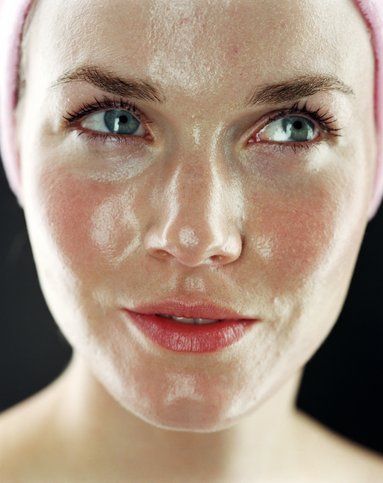
if your face constantly looks like it's shiny ALL OVER - not just confined to your T zone - you really need to do an overhaul of your skin care routine.

to be honest, i think oily skin doesn't look bad on its own, because it makes the skin appear glowy and healthy. what's bad about having oily skin is, you tend to have large pores which become a lot more obvious when light reflects off the oils. want to know what's one of the main causes of enlarged pores? you probably already guessed it if you read my previous entry where i shed some light on oily skin secrets..

it's dehydrated skin.

here is a list of possible causes of oily skin. i think everybody should know, especially if you want to get rid of your overly oily skin. some of them are

1. your face wash/soap/cleanser may be too harsh for you.

if your skin feels tight and dry after you washed your face (and prior to applying moisturizer), the product you're using may be ripping off too much natural oils from your face. if your skin is able to pour out enough shiny sebum within 20 minutes of face washing, you have definitely stripped too much sebum off your face, that's why your skin is over compensating for it.

for extremely oily skin, it's actually fine to use harsh soaps PROVIDED YOU GIVE YOUR SKIN BACK ITS NECESSITIES after you wash. that means the next few steps of the skin care routine will be very important to you.

otherwise, you're only making matters worse as your skin is dehydrated. when they say water is the essence of life, IT REALLY IS!

2. the humidity may affect how you feel about your oily skin.

some of you may find it hard to believe, but the skin can be oily and dry at the same time. the drier environment can definitely stimulate the skin to secrete more sebum in hope of protecting your skin from losing too much water to the environment. however, people with oily skin tend to feel more comfortable in drier areas because their oils actually protects their skin from drying out. even if you produce more oils, you are less likely to feel the side effects of it than if you were in a humid environment.

if possible, a humidifier may be able to prevent excessive sebum production as it raises the humidity the air, which translates to lesser water loss in the skin, which basically tells the body to hold its horses and not secrete too much sebum.

if you feel shiny in an air conditioned place, you can step up the moisturizing game to reduce water loss, which will indirectly reduce sebum production. ;) choose one that have an appropriate blend of water, humectant, and occlusive.

even though you may perceive the skin to be more oily when it's more humid, it doesn't necessarily mean your skin is producing more oils. it's just that your skin isn't soaking up as much sebum as it did when you were in a dry place. the same amount of oil is now in too much excess simply because your skin require less amounts.

a proper skin care routine may be able to rebalance your oil production so that your skin will produce less sebum (especially useful if you stay in humid countries), which i'll write about soon!

3. the hotter you are, the more oily you become

life is fair, if you're hot, you're oily. HAHAHA LITERALLY! if the temperature is high, we tend to secrete more sweat and sebum. that's our body's way to regulate our temperature. [source: HowThingsWorks]

the best way to reduce this kind of situation is to either stay indoors, or try your best to keep your cool (both metaphorically and literally).

hydrating mist is an awesome way to cool your skin down immediately, but the evaporation of water off your skin may take away even more moisture from your skin, resulting in more oils eventually, making it a short term fix at best. you can prevent that from happening by following up with a cream, but it's not practical when you're outdoor.

sometimes it's okay to be a little more oily. don't fight nature.

4. your menstrual cycle may make you more oily.

have you ever experienced a sudden onset of oilier skin before your period arrives? perhaps even pimples which never fail to report prior to your period?

right before menstruation starts, the female hormone levels will take a slight dip, making it relatively lower than testosterone levels. testosterone encourages sebaceous activity. so does progesterone, a hormone that rises in levels around days when you ovulate. that means 2 weeks prior to your menstruation, you will most likely experience oilier skin. [source: WebMD]

5. genetics play a role too

if you have a genetic predisposition to oily skin, you tend to secrete more oils than a person who doesn't have such a predisposition. [source: DermaDoctor]

remember, a genetic predisposition is a tendency for your body to act in a certain way. how much your body prefer to secrete oil greatly depend on the environment (and diet too! to a certain extend).

but not all hope is lost! there are still ways to remedy it. the best way is to work with your body, adjusting the environment and diet to reduce the tendency for your skin to produce so much oils.

6. nutritional deficiencies and/or food intolerances may cause excessively oily skin

as you already know, beauty is only skin deep. please take this very literally, because it's certainly not enough to only treat the skin from the outside. since the skin is one of our organs (in fact, it's the largest one), our health will directly impact the appearance of our skin. in other words, our skin definitely can reflect our state of health.

if you've had normal skin all the while but start noticing changes in your body recently (it could span from months to years), other than the environmental issues, diet and lifestyle matters too. as the overall health affects the skin, it's hard to pin point any particular causes unless you actually get your blood tested and all metabolic markers checked.

just like what i've highlighted in my entry where i wrote about causes of dry skin, the same will apply here too. this is because the body functions as an integrated machine. by ensuring overall health, you can be sure your skin won't deviate too much from the norm either.

TL;DR,
1. lower your intake of refined sugar
2. ensure a healthy balance of omega-3 and omega-6 oils
3. stay healthy!

IN A NUTSHELL
the list is not exhaustive for sure! but these are the few causes i can think of currently based of the information i've been exposed to previously.

if we treat oily skin as a health problem, it may be easier to come to terms to the changes that one has to make in order to rebalance it. some argue that diet has nothing to do with oily skin, but i feel like our diet has everything to do with our state of health, which will indirectly affect the state of our skin.

once again, everything is linked when it comes to the body. while the exact mechanism of how things affect one another is still being studied, sometimes we don't have to wait to know the mechanism before making positive changes that have been shown to improve overall health.

title photo credit: trending image

Jumat, 24 April 2015

4 Oily Skin Facts The Beauty Industry Won't Tell You


I'm going to tell you now, if you don't already know

i saw this article that talks about oily skin struggles on seventeen's website one day even though i don't have overly oily skin. i do have friends who deal with oily skin and they just never seem to be able to balance their skin issues, so i can sort of resonate with what's written in that article! two points stood out to me in particular.

"You wash your face at 7 am, and look like a grease ball by 9 am."

"You buy oil-free lotion that promises to reduce shine, but you’re still oily 5 minutes later."

so here's an entry to address those issues, hopefully it's something new and useful for you when you learn to treat your own skin issues!

1. overly oily skin is a deviation from normal skin and should be considered a health concern. 

i know i've mentioned this before when i was talking about skin care for dry skin, but in case you didn't read that, i'll reiterate again - our skin is definitely a reflection of our internal health. any deviation is a sign to start taking care of your health.

sebum production is influenced by a series of mechanisms, one of which involves androgens (the sex hormones!). there are many things that can affect the production of androgens within our body, which means it will indirectly affect sebum production as well. for example, thyroid insufficiency or over activity will stimulate different responses in sebum production. [source: PubMed]

before treating oily skin from the outside, it's also wise to see what you're putting into your body that caused all these.

2. sebum itself is not the enemy. 

even normal skin produce sebum. the key is the amount produced - excessive sebum can cause a problem like increasing the chances of getting clogged pores and acne, but getting rid of ALL sebum is only going to aggravate the situation.

why? because our body seeks to maintain balance through a series of feedback loops. if you remove all the oils, your body will know because you'll lose more water. to reduce water loss, it'll secrete sebum. the larger the spike in water loss, the more sebum will be secreted.

i feel like the cosmetic and beauty industry have caused panic and fear in the general public when they insinuated that sebum is BAD. people end up avoiding oils, which is exactly what they SHOULD BE USING especially after stripping their skin of oils! no wonder people complain about a greasy face even after following the suggested skincare routines touted to deal with oily skin.

oil free moisturizer is a really bad idea because if you do not replenish the oils you've removed, your skin will replenish its stores to your dismay.

you skin is saying "how dare you steal my oils!? TAKE THIS!!!" and proceed on to secreting even more oils with a vengeance.

3. the number 1 cause of overly oily skin is dehydrated skin 

unless you have a genetic defect/hormonal imbalance/other hidden reasons that causes you to produce more than usual. just that people with oily skin have a tendency to produce oils to combat that dryness instead of letting the skin crack up and bleed. as such, you may realize that a lot of the causes of overly oily skin mirror those of dry skin.

this is quite contrary to popular belief!

face wash usually dry the skin out as they can be quite harsh. the removal of sebum will increase water loss through our skin. sebum is a waxy substance that act as a protective barrier, keeping water in our skin.

it's actually okay to wash your face, in fact, it's best to wash it after a long day outside because there'll be lots of dust and pollutants stuck onto our faces. just make sure you moisturize and return the oils to your skin afterwards!

4. oil-free creams will only aggravate your oily skin in the long run. on the other hand, oils are good for your skin.

how so? because you keep stripping your skin of its oils and fail to replenish it with an oily cream. your skin will take matters into its own hands and produce sebum - an excessive amount.

if you're adventurous, experiment with facial oils, especially those that is quickly absorbed by the skin if you're afraid of stickiness. rosehip oil and argan oil are known to be fast absorbing. not all oils are slick and heavy as we are commonly led to believe.

otherwise, you can also choose a cream that contains oils. the lighter texture may be in your favour, but it is still able to replenish some oils in your skin, helping to reduce water loss, which will eventually reduce your sebum production as your skin is able to seal in the moisture.

what a way to trick our sebaceous glands!

IN A NUTSHELL
that's 4 things i can think of currently! i'm always in awe how the beauty industry lead people to believe that oil is the enemy. don't you feel they're sometimes making things worse so you can keep buying their products? if their products were really that effective at combating oily skin, shouldn't we see people using the products only for a short period of time, until their oily skin become less oily?

yet people are complaining about a greasy face mere minutes after washing their face.

ever more absurd: no one finds it odd that their skin only gets increasingly oily in the long run. of course aging, diet and overall health plays a part too. but using the wrong skin care can aggravate situations as well.

if you still have any queries about oily skin that's unanswered, feel free to leave me a comment below!

title photo credit: wallalay wallpaper

Minggu, 19 April 2015

4 Step Skin Care For Dry Skin


Simple 4 step routine to combat dry skin

in my opinion, dry skin is probably the easiest to deal with out of the other situations. slapping on moisturizer may provide instant relief, which makes you feel like the treatment is working. to re-balance oily skin will take some time, while correcting dry skin is almost instant visually. however, if we do not deal with the problem at its roots - in this case it'd be the cause of dry skin - any remedy can only provide short term relief.

if you haven't already read my previous entry where i talk about possible causes of dry skin, make sure to check that out so that you can treat your dry skin from the inside AND outside at the same time to achieve optimal results.

a basic skin care routine that targets dry skin due to environmental dryness will be as such:

NIGHT TIME ROUTINE:

1. only use a gentle soap free cleanser when necessary.

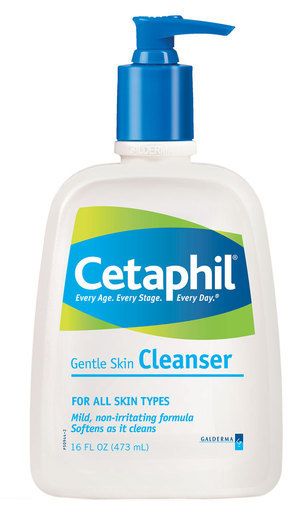
since you have dry skin, your skin is actually under producing sebum. stripping away too much when your body can't produce them isn't a good idea, therefore, stick to a gentle cleanser. opt for soap free if possible because soap tends to irritate dry skin. i'm using cetaphil gentle cleanser and i like how it feels on my skin. my friend with oilier skin find this too gentle, i guess that's why it's suitable for people with dry skin?


it's not weird to use only water to wash your skin if you have dry skin. i usually use a cleanser for my night time routine because i wore makeup in the day. if i'm home all day, i wouldn't need it at all.

2. exfoliate any flaky skin very gently (optional)

while dry skin may look unsightly, it's actually there to protect your skin. i don't recommend exfoliating everyday as it may result in overly sensitive skin. once to twice a week should be good enough, depending on the speed of your skin growth.

always moisturizer and nourish your skin after exfoliation!

3. tone and hydrate

the toner is there to return your skin to a slightly acidic state. this is especially important for people with dry skin because dryness may decrease the protective effect of our skin as our skin may crack and tear more easily. an acidic environment will inhibit the growth of bad bacteria while promoting the health of healthy bacteria living on our skin.


i've tried using diluted vinegar on my itching skin and for some reason, it relieved my itching! there is some truth to the whole pH balance hypothesis.

hydrate with any lotion or cream to further moisturize your skin.

4. add a seal over your skin

i'm talking about an occlusive here! an occlusive forms a protective film that prevents moisture loss across your skin.

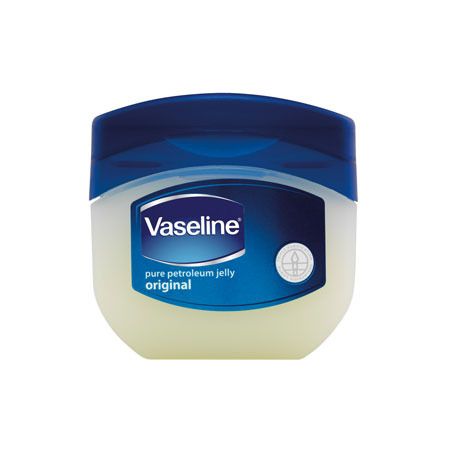
VASELINE | petroleum jelly

vaseline is a very effective occlusive, but if you're sensitive to petrolatum, natural alternatives are available too.


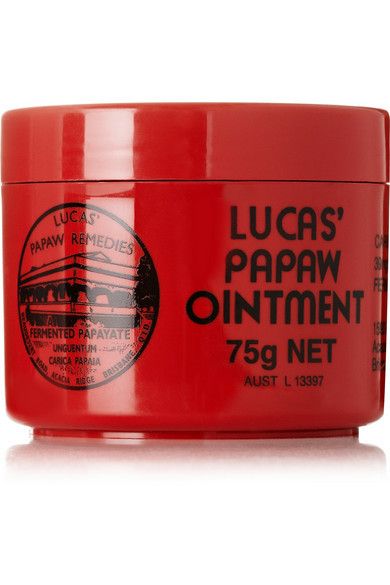
i heard many good things about the pawpaw ointment but haven't got to try it yet. i was told it acts just like vaseline, but a non-petrolatum product.

DAY TIME ROUTINE:

1. wash face with water

don't use what you don't need! dry skin needs all the oils it can produce.

2. moisturize

you can opt for a light weight moisturizer if you're wearing makeup so that it absorbs quickly. but i rather you wake up 5 minutes earlier so you have 5 extra minutes for a more nourishing cream to sink into your skin.

3. seal your skin

don't forget that last step to protect your skin from the harsh environment (if you're in one that is)! this step is actually optional if you used a heavy cream in the previous step because most heavy cream contains petrolatum to act as an occlusive. i usually skip this step since it's so humid in singapore. however, this step may be really beneficial if you stay in an air-conditioned environment all day. BUT, with vaseline on your face you probably can't wear liquid makeup since they can't stay put on your face. powders will sit on your face nicely, but risk smudging if you do rub your face.

IN A NUTSHELL
if your dry skin is due to internal reasons, you can still use the above steps to alleviate your dry skin temporarily. but do take note, unless we treat the problem at its roots, it will almost be impossible to find long term relief with these external help.

it's just like trying to patch leaky holes in a dam that is overflowing with water. you can go on and on closing up cracks here and there. unless the river stops flowing, the water will always find new cracks to seep through. worst of all, it's going to break the dam one fine day.

should i write about nutrition for dry skin some time later? LET ME KNOW!

title photo credit: alton brown photos
all other photos are taken from their official websites

Minggu, 12 April 2015

4 Things You Need To Know If You Have Dry Skin


Wanna know why you've got dry skin?

there're so many possible reasons why our skin may be dry. the climate, weather, environment, even our internal environment! many times, it's the things we've done to our body and skin that led to the deviation from health, instead of things we failed to do.

there're just too many man made crises to count. sometimes i feel like mankind created all of their problems.

here are some possible reasons and accompanying remedies i can think of.

1. your face wash may be too harsh for you

if your skin feels tight and dry after you washed your face (and prior to applying moisturizer), the product you're using may be ripping off too much natural oils from your face.

you can either limit the usage of the face wash to 2-3 times a week, or whenever necessary (when you feel extra dirty a particular day after walking through a dusty area). you can also change to a soap free cleanser. not only are soap free cleansers milder than normal cleansers (which means they'll strip away lesser oils), they can be formulated to have a slight acidic pH, one that is closer to our skin. [source: howstuffworks]


i use cetaphil's gentle cleanser, it feels like a lotion and leaves my skin hydrate and smooth after washing it off. you can also choose to NOT use any products at all! in fact, i only wash my face with water in the morning. (if you're worried about clogged pores, i'll talk more about that next time)

in fact, you can actually use a lotion to clean your face, just apply it and wipe it off with a cotton pad. the emulsion is effective in lifting away dirt and oils, but you won't risk losing too much oils because the lotion will replenish them.

2. your environment may be too dry for you

this goes beyond how your face feels. if your environment is indeed too dry for your skin, it's very likely that skin over your entire body feels dry too. you make experience itchy, or flaky skin. sometimes the symptoms are so mild, you only notice more grooves and lines on your skin.

if you can make changes to the environment, that'd be best! humidifiers are a good way to amp up that humidity indoor.

what if you in winterland right now and it's dry everywhere, even in your house because of that radiator? you'll need to rely on a really good moisturizer. it should supply your skin with hydration, and also lock in the moisture.

VASELINE | petroleum jelly

on top of the normal lotion/cream you use, you can top it up with a thin layer of vaseline to help you lock everything in, since vaseline is one of the best occlusive out there. don't be afraid to use vaseline on your face. some people say it clog up their pores, but you have to understand that the petroleum jelly molecules are simply too large to even dip their toes into our pores.

3. if it's not the products or environment, then it may be genetics

if you've had dry skin since young irregardless of the humidity of your environment and/or products used, then it's most likely genetics. it's believed that some people are born without the gene that produces filaggrin, the substance that breaks down to form natural moisturizing factors within our skin cell [source: dermnet NZ].

if you fall into this group, you'll need to replace ceramides and lipids to help your skin maintain its integrity. all hope is not lost even if you're born with such a deficiency, you just have to work harder to bring it back to normalcy.


brands like physiogel, cetaphil (restoraderm line), uriage (xemose line), avene (xeracalm line) are good options. i've actually tried them all before, some of them were recommended to me by dermatologists. however, in the past when my skin was still on topical steroids these creams did nothing for me. i tried avene after i got of steroids and i was blown away by how nourishing it is. it could either be that avene did a really good job with their balm, or my skin started acting more normal after stopping topical steroids.

our genes is only a set of instructions that dictates how our body behave in a given set of situations. we can't change our genes, but we can definitely change the factors that affect our skin, namely the environment and our lifestyle.

4. perhaps it's your diet and/or lifestyle

this phrase is so cliche, but beauty really is only skin deep. our skin is one of our organs. genetics has predisposed me to show my state of health on my skin, but that's not a bad thing! being able to see them makes it easier for me to monitor my health.

chances are, you've had normal skin and recently, your body started changing so slowly that you only noticed your dry skin after years of bad diet and lifestyle. as the overall health affects the skin, it's hard to pin point any particular causes unless you actually get your blood tested and all metabolic markers checked.

thanks to the modern day diet, your diet probably consist of too much refined carbohydrates (pastries, baked goods, sugar), an excessive omega-6 fat (most vegetable oils) intake, too much protein and too little vegetables, just to name a few possibilities.  everyone have different food intolerances, so what is poison to one person may be an elixir to another.

sugar ages your skin by destroying the proteins that gives your skin suppleness. take the collagen away and your skin will look dry and wrinkly. while dry skin and aging skin are caused by different issues, they appear similar. hence, ditch the sugar and you may end up with more youthful (and hydrated looking) skin. [source: huffington post]

omega-6 fats are found to be pro-inflammatory, it's consumption should be lower than the omega-3 fats. eating too much meat will acidify the body, which isn't exactly healthy in the long run. [source: UMM]

also, farmed meat these days are filled with a list of unhealthy substances, you really don't want to eat too much of that.

if you notice my choice of words, you'd already know what you should be doing - reduce refine carbohydrate intake, reduce omega-6 fats and increase omega-3 fats (from flax seed or salmon), make sure you eat more vegetables than meat (to keep 'things' flowing, if you get what i mean :P).

and don't forget to drink sufficient water! not only does it detox your body, it also ensure there is sufficient water underneath your skin to keep it supple. while drinking water don't really translate to hydrated skin, but a dehydrated body is most unlikely to be able to nourish the skin since it's already running low on water supplies! the skin is seen as the least important organs, so the body tend to conserve precious resources for the other organs and that's when we start seeing symptoms on our skin.

IN A NUTSHELL
skin issues is definitely more than just an outside-in problem. many times, skin issues is a manifestation of internal imbalance. this entry contains things i currently know after reading so much about the skin. i'm obsessed with it since i have a skin condition to deal with myself.

one thing i've learnt after everything i've experienced is this: if you take care of your guts, you'll be rewarded with good health (and glowing skin).

i'll keep reading and share new findings in the future :)

title photo credit: alton brown photos
all other photos are taken from their official websites

Senin, 06 April 2015

How to find out your skin type


Here's a simple way to determine your skin type in 10 minutes

understanding your skin type is perhaps the first step towards a successful skin care routine, if we define "successful" as being able to treat your skin issues. after all, products can deliver you the maximum benefit only if you are treating the problem at its root. before i share with you how i typically decide what product i'll use (or what products i'll purchase for my mom, or how i arrive at suggestions for people who trust me enough to ask me for advice), let's get the definitions right.

it always irks me when i see the term "normal/combination" skin, because i understand that normal skin is a mixture of oily skin and normal skin. the addition of the word "combination" to me then becomes redundant.

in this entry below, i'll refer to normal/combination skin as normal skin, while combination means a combination of two deviations - too dry and too oily.

THE TWO ZONES ON OUR FACE
focusing on just the face alone, there are two regions - the sebaceous-gland-rich zone, and the non-sebaceous-gland-rich zone. because our skin is not uniform in terms of sebaceous gland density, it's not surprising to find at least 2 adjective when describing the state of your skin. hence, all skin types to me are a combination of dryness and oiliness. but it'll be pointless if we named all the skin types as "combination", right?

skin type sebaceous gland density

SEBACEOUS-GLAND RICH ZONE (YELLOW REGION)
the sebaceous-gland-rich zones on the face are typically the forehead, nose (which we so conveniently call the T zone), as well as the inner cheeks. these are the areas that tend to produce more sebum NATURALLY, whether you have dry or oily skin. it's just the way our body is made to be.

interestingly, other parts of sebaceous-gland-rich zones include the back, the chest, and scalp. if you haven't noticed already,  most acne occurs on these "fertile lands".

NON-SEBACEOUS GLAND RICH ZONE (BLUE REGION)
well, it's just the other areas that aren't rich in sebaceous glands! namely, the cheeks and the circumference of the face.

DIFFERENT SKIN TYPES, ILLUSTRATED
so what does it mean to have dry, normal(combination), or oily skin? since our actual skin type will almost always be a combination of two scenarios - slightly less oily non-sebaceous gland rich zone and a slightly more oily sebaceous-gland rich zone, it seems more convenient to categorize the skin type according to the dryer region, since the T zone will be oily no matter what. i've tried to illustrate the differences below.

different skin types dry oily combination

as shown above (everything is drawn by me! :D i earned some bragging rights after spending hours on them hahaha), skin types are actually a combination of at least two states of the skin, which ranges from dry to oily. this is a very simplistic illustration because our gland distribution and density isn't that clear cut in reality.

ARE YOU DRY? NORMAL? OR OILY?
how do you know which skin type you belong to? a good rule of thumb i've come across is as follow:


skin type dry
1. you have DRY SKIN if your cheeks feel tight, dry or itchy within 10 minutes after washing your face with just water. if you used soap/cleanser and experience the same effects, i'd recommend washing your face with just water alone and see how your cheeks feel. this is because soap/cleanser will dry out your skin, rendering this experiment null. also, if you already have such symptoms, it's best to lay off the soap, or change to one that doesn't contain any harsh chemicals that will strip away too much oils.

skin type normal combination
2. you have NORMAL SKIN if after washing your face with soap or water, your cheeks doesn't feel anything more than just a slight tightening (around the cheek area if you used soap) or cooling effect. your T zone secretes just enough sebum - it's not overly dry or oily.

skin type oily
3. you most likely have OILY SKIN if your T zone and/or cheeks start oozing sebum within 10 minutes of washing your face (with either soap, or water), making you shiny or greasy all over.

skin type dry and oily
4. you have DRY AND OILY SKIN if you've used soap/cleanser on your face, and your T zone starts oozing sebum while your cheeks dry up like a raisin. YES, this is possible, because your skin is so dehydrated!

while this is a rather simplistic way to determine your skin type, it's a good start to begin your exploration journey in the world of skin care. it's just a rule of thumb anyway!

SKIN TYPE CHANGES, JUST LIKE EVERYTHING IN LIFE
our skin type changes from time to time, especially if you're a girl experiencing hormonal fluctuations monthly! our hormonal changes will affect sebum production as well as other immunological responses (that's why some people experience more acne/sensitivity prior to their period). the best way to look at our skin care routine is to view it as a dynamic system that requires constant tweaking so as to return it to the optimum condition you desire. don't forget, our skin is breathing and alive!

i regard dealing with skin issue as "a return to the optimal condition" because i truly believe that everyone was born with normal skin. it's everything that we do (or it could be things we fail to do) that led to the deviation of healthy skin. of course, this belief excludes genetically defective disorders that made the skin unsuitable to perform its function well in this environment we're born into.

knowing your skin type is winning half the battle. the other half depends on finding the right products to achieve your needs/wants, which i'll write about in the next entry.

so, have you determined your skin type yet? going by the industry's terminology, i have normal/combination skin. i don't remember having particularly oily T zone growing up. in fact, my T zone have gotten considerably more oily in the past year. it may be because of my changing body/skin type, or it could be because i started washing my face with a cleanser more frequently. growing up, all i used was water.

Jumat, 20 Februari 2015

Biore Aqua Rich Sunscreen Comparison (Swatch and Review)

Biore Aqua Rich Sunscreen Comparison

i've been a fan of the biore aqua rich sunscreen for a few years now. a few years ago when they came out with the first variation of the sunscreen, the high SPF caught my eyes.also, the idea of having a hydrating sunscreen appealed a lot to me as i have dry skin.

over the years they released more products to their existing product line, and i've been collecting and testing them out ever since.

IN A NUTSHELL
1. lightweight
2. oil free
3. sinks into skin quickly, doesn't react with foundation
4. high SPF

Biore Aqua Rich watery cream mousse essence
from left to right: watery mousse / watery cream whitening / watery essence

the entire aqua rich line is infused with hyaluronic acid, making them hydrating without the need of oils. all three contains an SPF of 50, and PA+++.

Biore Aqua Rich watery mousse
the watery mousse was the first SPF50 product that was released. as the name suggest, it has a mousse like texture, making it very light weight. the water base texture is infused with hyaluronic acid, which helps to lock down moisture without the need for oils.


it comes with a small-ish opening.


and it contains 33g of products.

Biore Aqua Rich watery cream whitening
the water cream is infused with whitening ingredients, also, it does give off a brightening effect after using it! the product feels more nourishing than the watery mousse. its whitening ingredient is chamomile extract. i have no idea if it has any whitening power, to be honest. biore claims that it can fight dark spots.


it has a similar dispenser as the watery mousse.


it also contains 33g of products.


Biore Aqua Rich watery essence
the watery essence is the third product to be released in the aqua rich line, it boast of a non sticky formula that absorbs right into the skin without any white cast. of course there're no white cast! this is purely a chemical sunscreen! if you have sensitive skin, make sure to test it out first. the idea of having no white cast is attractive, but not everyone can withstand chemical sunscreen.


the opening is different from the previous 2 products, it has a larger and wider opening.


and you get more product too! 50g as opposed to just 33g! all of them cost the same (SGD18.90 if i remember correctly), so you're getting a little more product for your buck if you get this on.

Biore Aqua Rich water cream mousse essence swatch comparison

and finally onto the swatch, you can definitely tell a difference when i put them side by side.

watery cream has a cream like consistency (even though it looks real soft here, it's only like that because i messed up the squeezing process).
watery mousse does have an airy feel to it, you can see that after i pushed them out slightly in the upper right image.
water essence is nothing more than clusters of white stuff within a watery base. once i push it out, the white stuff disappears.

from the photo, the watery mousse seem to give off the most white case. in reality, both the watery cream and watery mousse gives off a slight white cast. it's not unwelcomed to me, because i do like that slight brightening effect.

the products have a very faint scent to them, smells like citrus to me.

IMHO

on to the main claim: are these hydrating/moisturizing?
perhaps i have particularly dry skin, i don't find them extra hydrating or moisturizing. this may be a good news for people with oily skin. in fact, i think the nature republic sunscreen is way more moisturizing for my skin! i really love that!

i notice they leave my hands with a weird taut feeling after spreading the product out on my face (with the help of my hands). it's something i didn't quite like, and i don't know if it's the product or just my hands drying out naturally throughout the day. (the nature republic sunscreen also gave my palms a similar feeling)

these products are "foundation friendly", meaning they don't react with my foundations to produce little rubbery stuff. you'll know what i mean if you tried using a moisturizing gel prior to using a foundation.

in my opinion, these work as very wonderful make up base thanks to their light weight texture. the high SPF also means i can do without reapplication for a longer period of time. the fact that they absorb right into my skin makes it makeup friendly as i do not have to wait too long for it to sink in. i loved them for a while, that's why i repurchased the watery mousse. but after trying the nature republic, i think i found my new favourite, since i prefer a more moisturizing formula.

if you like a light weight and oil free sunscreen, give these a try! you make like it! if you want something more moisturizing, check out the nature republic california aloe sunscreen!

did i miss out anything? leave me a comment and i'll answer your queries!